By Paul Roggemans and Adriana Roggemans
Abstract: A summary report on the 2026 ACM conference in Poznan, Poland is presented with an overview of the meteor related lectures.
1 Introduction
The Asteroids, Comets, Meteors conferences started in 1983 organized by the Uppsala Astronomical Observatory (Astronomiska observatoriet i Uppsala) at the nearby University of Uppsala in June 20–22, 1983. The aim of the conference was to bring scientists together who study small bodies in order to improve the interaction between the different domains of minor planets, comets and meteors. The meeting proved successful and Asteroids, comets, meteors II was organized June 3–6, 1985 in Uppsala, Sweden. When the third ACM conference was organized in Uppsala June 12–16, 1989, the number of attendants had increased to 158. While the first ACM meetings involved mainly scientists from European countries, the 1989 ACM had 41 participants from America, Australia and Japan. The 4th ACM was organized at the Northern Arizona University, Flagstaff, USA, June 24–28, 1991. Until then, the ACM conference published its own Proceedings. The 5th ACM took place in Belgirate, Italy, June 14–18, 1993, with 323 participants from 38 countries. Proceedings were published as the 160th Symposium of the International Astronomical Union. The 6th International Conference on Asteroids, Comets, Meteors (ACM 1996) took place in Versailles, France, July 8–12, 1996 and conference papers were published in Planetary and Space Science (Vol. 46, No. 8, 1998). The number of participants exceeded 500 and from then on the conference was organized every three years, July 26–30, 1999 at Cornell University in Ithaca, New York, USA, July 29–August 2, 2002 in Berlin, Germany, August 7–12, 2005, in Búzios, Rio de Janeiro, Brazil, July 14–18, 2008, Baltimore, Maryland, USA, July 18–22, 2011, in Niigata, Japan, June 30–July 4, 2014, in Helsinki, Finland and April 11–15, 2017, in Montevideo, Uruguay. The planned ACM 2020 had to be postponed due to Covid and was finally held June 18–23, 2023 at Flagstaff, Arizona, USA as the 14th ACM conference.
The 2026 ACM was the 15th meeting since the start of these conferences in 1983 and took place in Poznan, Poland at the Poznań University of Technology, July 6–10. More than 600 participants had registered from 48 countries.
2 The 15th ACM
Traditionally meteors represent the smallest bodies among small bodies and have far less contributions than the asteroids or comet sessions. Nevertheless, most meteor researchers were present at the conference. Most of them had attended the Meteoroids conference 2013 in Poznan which was organized 13 years earlier by the Adam Mickiewicz University and the 15th ACM in Poznan was a good reason to revisit Poznan after the good memories of the 2013 event in the same city.
The authors arrived on Sunday 5th of July and already at the check-in at our hotel we met with several ACM participants. Poznan had changed a lot since 2013. Sunday evening had a first socializing activity as an ice-breaking walking dinner. Most science conferences are characterized by typical cheap student catering but the Sunday evening informal reception at the 15th ACM exceeded all expectations, fine food with accompanying drinks presented in multiple large buffets created a jovial, collegial atmosphere to meet with friends.
The conference itself was opened Monday morning with a welcome ceremony by Jacek Bogusławski, Member of the Executive Board of the Wielkopolska Region, Prof. dr hab. Teofil Jesionowski, Rector of Poznań University of Technology and Prof. dr hab. Michał Banaszak, Vice-Rector of Adam Mickiewicz University, Poznań. After the welcome addresses a first series of invited speakers were introduced in a plenary session. Because of the large number of presentations, the lectures were programmed in parallel sessions and in this report, we only highlight the meteor related talks. Of course, the lectures and posters represent the main content of a conference, but the coffee breaks, generous lunch breaks and free evenings offered plenty of time for informal contacts.
3 Meteors at the 2026 ACM
To avoid duplication, we refer for details about each talk to the ACM Abstract Book. Most presentations refer to work published elsewhere and can be consulted via the listed references. The complete lecture program can be consulted here. The posters are listed here. The meteor related lectures can be summarized as follows:
Monday, July 6
Chairs: Maria Gritsevich & Nick Moskovitz
- Hadrien Devillepoix (Figure 1): “Discovery and Characterization of a Meteorite Strewn Field from a Small Asteroid Impact Using Orbital Sensors, Radar, and Drones”.
- Jiří Borovička: “Analysis of the Iron Meteorite Fall of April 17, 2026”.
- Pavel Koten: “Croatian Meteor Cluster as a Result of the Catastrophic Disruption of a Parent Meteoroid”.
- Peter Brown (Figure 2): “From Iron Meteoroids to I-type Micrometeorites : A Meteor Perspective”.
- Julie Brisset: “Sub-Micron Mineral and Organic Mapping in Primitive Solar System Materials”.
- Veronika Pazderová: “Transferring Laboratory Emission Diagnostics to Meteor Spectra: Application to the AMOS Spectral Catalogue”.
- Shinsuke Abe: “Comparison of Sodium Variations in the 2017-2025 Geminid Meteor Shower with the Parent Body Phaethon”.
- Iona Clemente: “Cross-Validation of Infrasound Detections and Fireball Observations from the Global Fireball Observatory”.
- Maximilian Vovk: “Sporadic Meteoroids Density, Structure, and Composition Beyond Orbital Class”.
Tuesday, July 7
Chairs: Jérémie Vaubaillon & Regina Rudawska
- Peter Jenniskens: “Review of Asteroids, Meteors and Meteorite Type Links”.
- Margaret Campbell-Brown: “Spectral Observations of Meteors and Luminous Efficiency”.
- Patrick Shober (Figure 3): “Detecting Asteroidal Activity Using Meteor Observations: How to Find a “Rock-Comet’’”.
- Tomáš Vörös: “Deconstructing mm-sized Meteoroids: Indication of Heterogeneity from the Physical Properties of Gross Fragments”.
- Tam Do: “Dynamical Origins of Earth-Impacting Millimetre-Sized Sporadic Meteoroids”.
- Dario Eickhoff: “Bayesian Acoustic-seismic Characterization of the March 8, 2026 Koblenz Meteoroid”.
- Ryo Ishimaru: “ASTERISC: A CubeSat Mission to Observe Beta Meteoroids with a New Large-Area Film Dust Sensor”.
- Gabriel Borderes-Motta: “Simulating the Alpha Capricornid Meteor Shower: A Dynamical Study Based on the Proposed Parent Bodies”.
- Tomáš Henych: “Geminids are Initially Cracked by Atmospheric Thermal Stress”.
Wednesday, July 8
Chairs: Regina Rudawska & Miroslav Brož
- Martin Čulák: “Telescopic meteors observed by AMOS and ATLAS in Hawaii”.
- Dale Giancono: “High-Speed Observations of Lunar Impact Flashes”.
- Jérémie Vaubaillon (Figure 4): “When the Leonids Meteor Storms are Back”.
- Apostolos Christou: “2020 BX_14: A New Fragment of the Alpha Capricornids Parent Comet”.
- Simon Anghel (Figure 5): “Breaking the Threshold Barrier in Orbital Similarity Metrics”.
- Hervé Lamy: “Computing the Velocity of a Meteor Using the Phase of the Fourier Transform: Application to BRAMS Data”.
- Maria Gritsevich: “Bulk Density Estimation Using α-β Inversion of Fireball Trajectories”.
- Thomas Stevenson: “Ballistic-Strength Survival Limits for Metallic, Siliceous and Carbonaceous Meteoroids”.
- Kosuke Watanabe: “Spectroscopic Study of Rocket Debris During Atmospheric Re-entry”.
Friday, July 10 Plenary session, invited speaker
Chair: Gonzalo Tancredi.
Denis Vida (Figure 7): “The Renaissance of Meteor Physics: New Optical and Radar Perspectives”.
4 Informal contacts
If there is something that distinguishes the ACM conferences from others, it is the time allocated for informal contacts with long lunch breaks, coffee breaks, cultural events, a luxurious banquet and excursions. The 15th ACM in Poznan impressed its participants with lavish buffets from Monday to Thursday and coffee breaks with rich dessert buffets, all taken care off with great care.
On Tuesday evening a performance with the Amadeus Chamber Orchestra & MozART group concert took place in the beautiful theatre of the Adam Mickiewicz University. Anyone who might think that classic music could be boring would have been surprised by the very original interpretation and performance of Mozart’s compositions that we will remember as a most unique concert. Guided city tours were offered during the free evenings. Thursday evening, the ACM banquet proved to be another catering highlight with plenty of tasteful food and drinks. After the banquet, a live rock group entertained the audience and got many “minor bodies” on the dance floor (Figure 6). The latest IAU minor planet names were announced with many nominees being present among the participants followed by the announcement of the 16th ACM which will be held in Macau, China in 2029.
The last plenary session Friday 10 July included the only meteor researcher who was invited as speaker, Denis Vida, who gave an up-to-date presentation: “The Renaissance of Meteor Physics: New Optical and Radar Perspectives”.
The ACM 2026 ended with a number of excursions and the authors had chosen for the visit to the birth place of Nicolaus Copernicus in the well-preserved medieval city of Toruń in Poland. The guided tour brought us to the Nicolaus parents’ house that survived revolutions as well as the German and Soviet evil destructions during WWII.
Acknowledgment
The ACM 2026 organizers delivered a perfectly organized conference and saved neither effort nor time to make it an unforgettable successful event. Thanks a lot, to all people involved in making this possible.
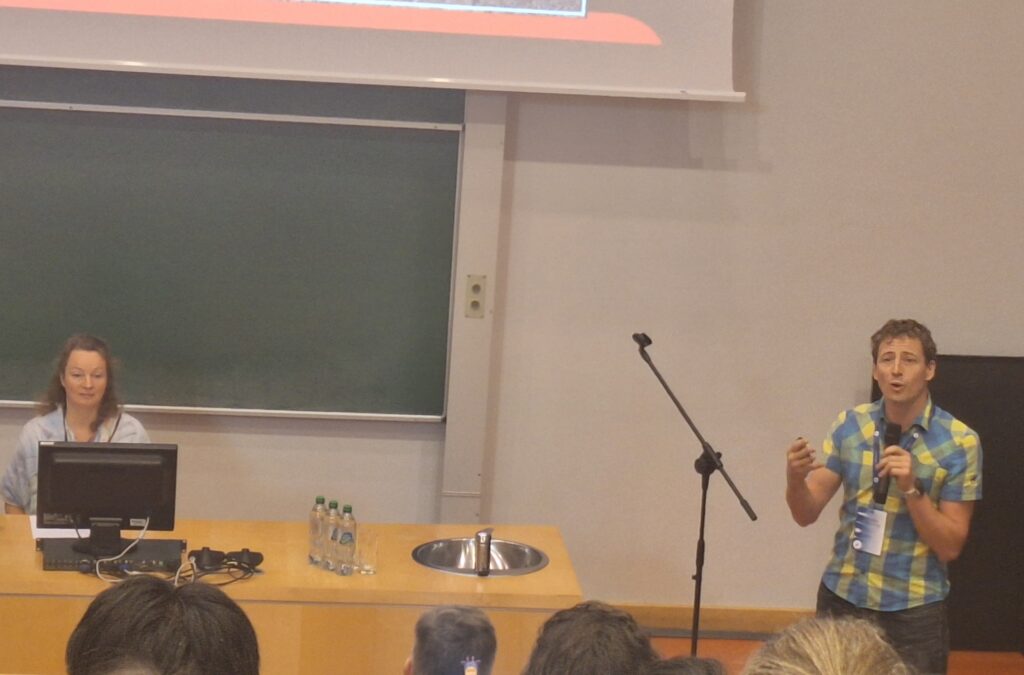
Figure 1 – Maria Gritsevich and Hadrien Devillepoix.
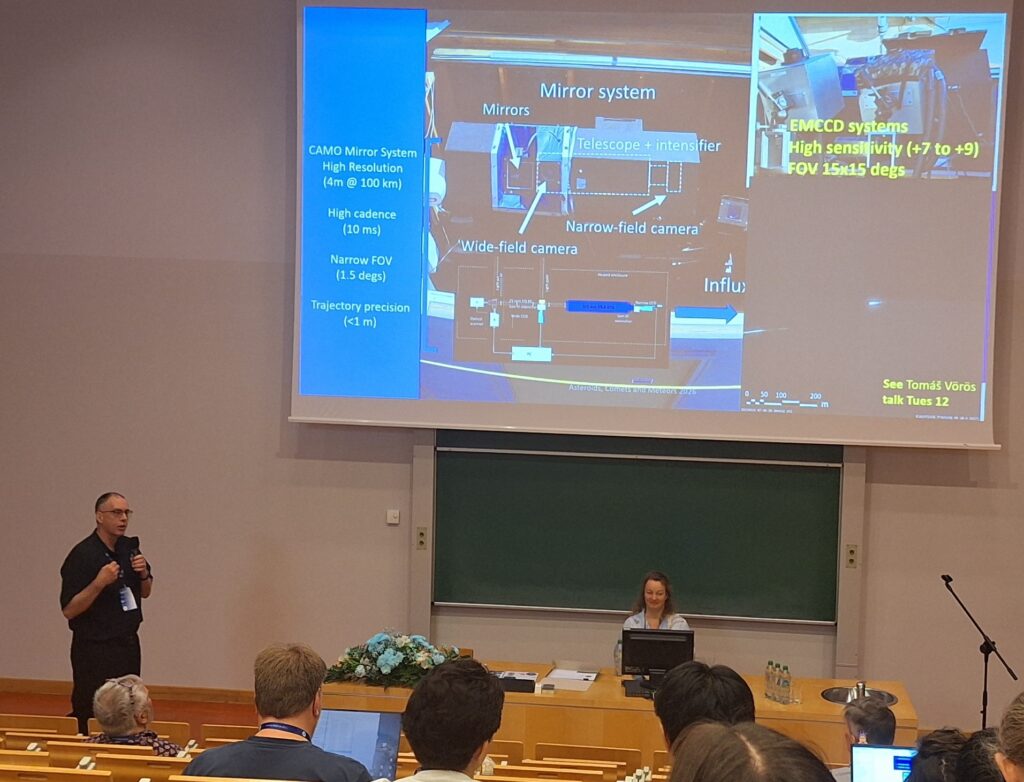
Figure 2 – Peter Brown and Maria Gritsevich.
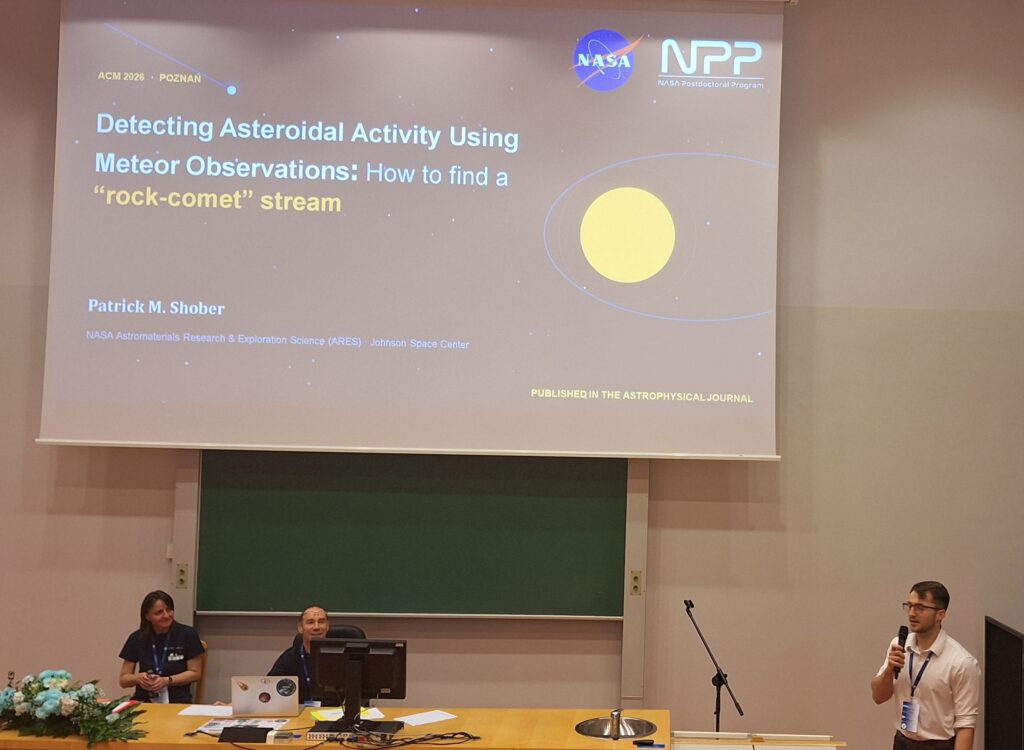
Figure 3 – Regina Rudawska, Jérémie Vaubaillon and Patrick Shober.
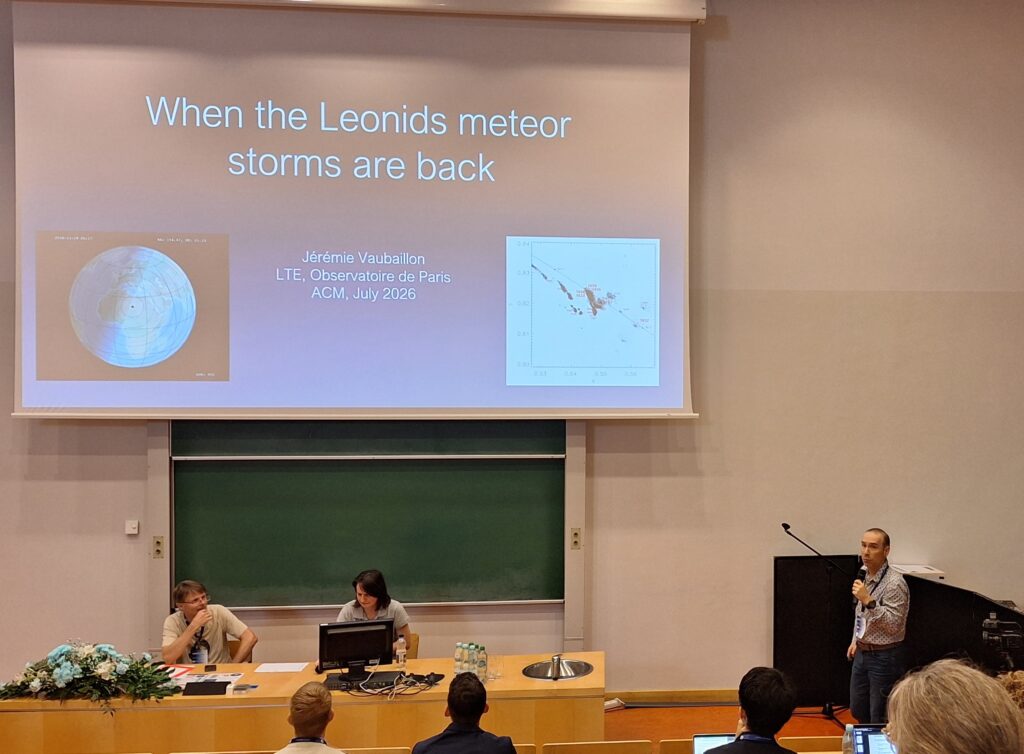
Figure 4 – Miroslav Brož, Regina Rudawska and Jérémie Vaubaillon.
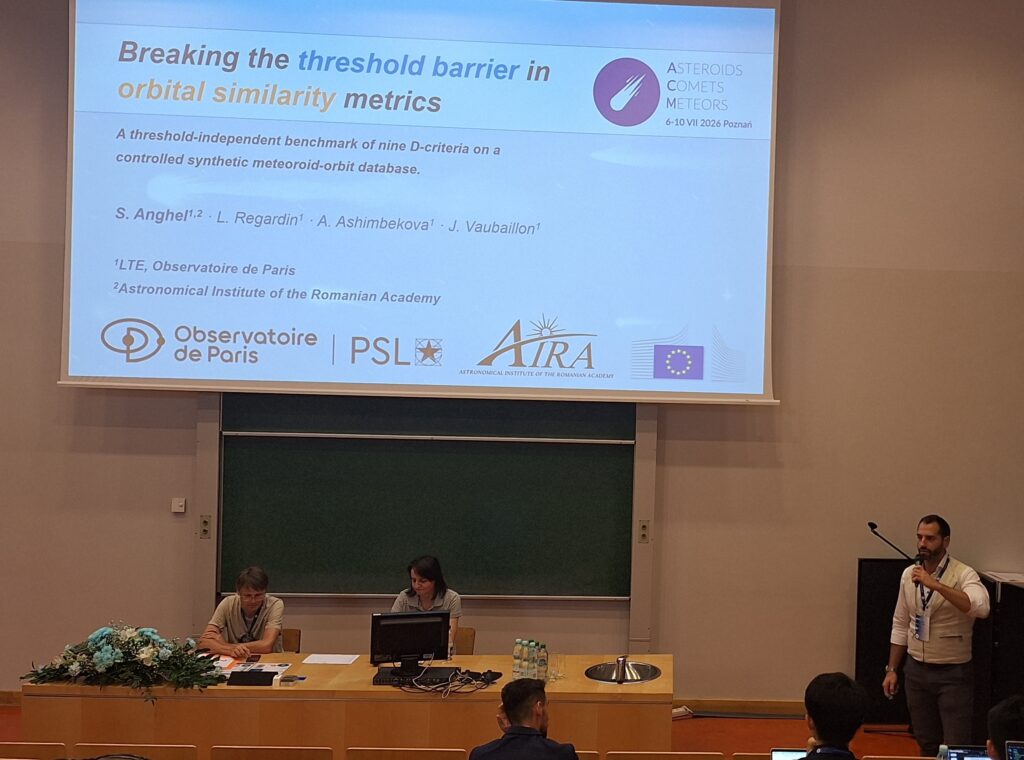
Figure 5 – Miroslav Brož, Regina Rudawska and Simon Anghel.
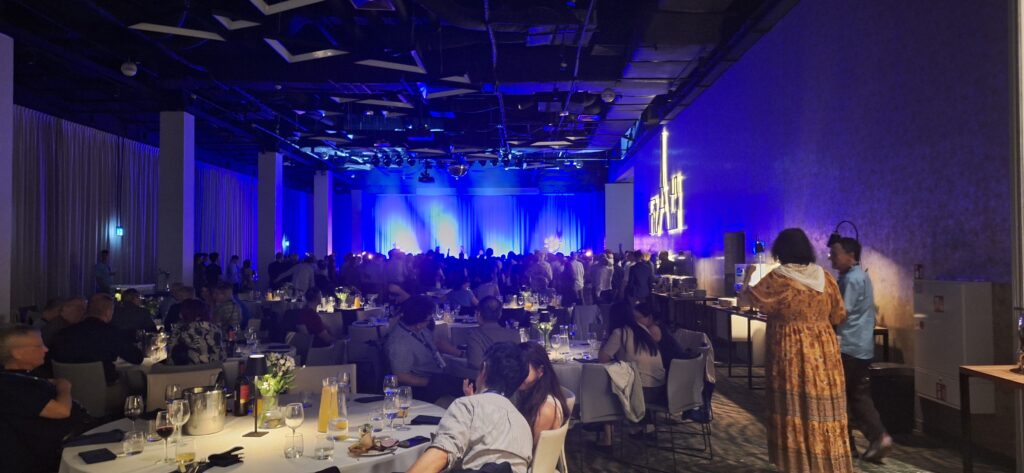
Figure 6 – The live concert after the Thursday evening banquet.
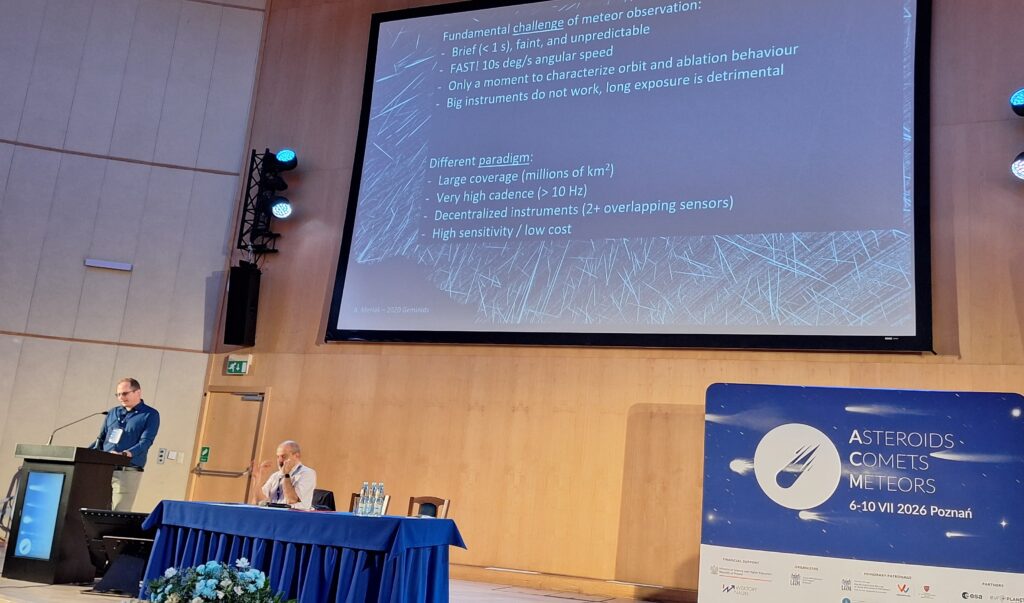
Figure 7 – Invited speaker Denis Vida and plenary session chairman Gonzalo Tancredi.