By Yury Harachka
Abstract: On 16 January 2024, the cameras of the Belarusian Meteor Network recorded a meteor spectrum with exceptionally intense calcium emission lines. The calculated Tisserand parameter with respect to Jupiter, Tj = 3.53306 ± 0.1485, suggests an association with asteroid (4) Vesta. Spectroscopic analysis confirms the meteoroid’s affiliation with the HED clan (Howardites–Eucrites–Diogenites), most likely classifying it as a eucrite.
1 Event description
On 16 January 2024 at 22:57:31 UTC, a meteor with a peak magnitude of –3ᵐ was recorded by the Belarusian Meteor Network (Figure 1). The trajectory was observed over Lithuania from two stations in Belarus, located 300–350 km from the event. The specifications of the cameras used are given in Table 1. The camera at the Minsk_24 station captured only a segment of the trajectory without an ending. In contrast, the Derazhnoye_30 station, equipped with a diffraction grating, recorded the complete trajectory of the meteor and obtained its emission spectrum.
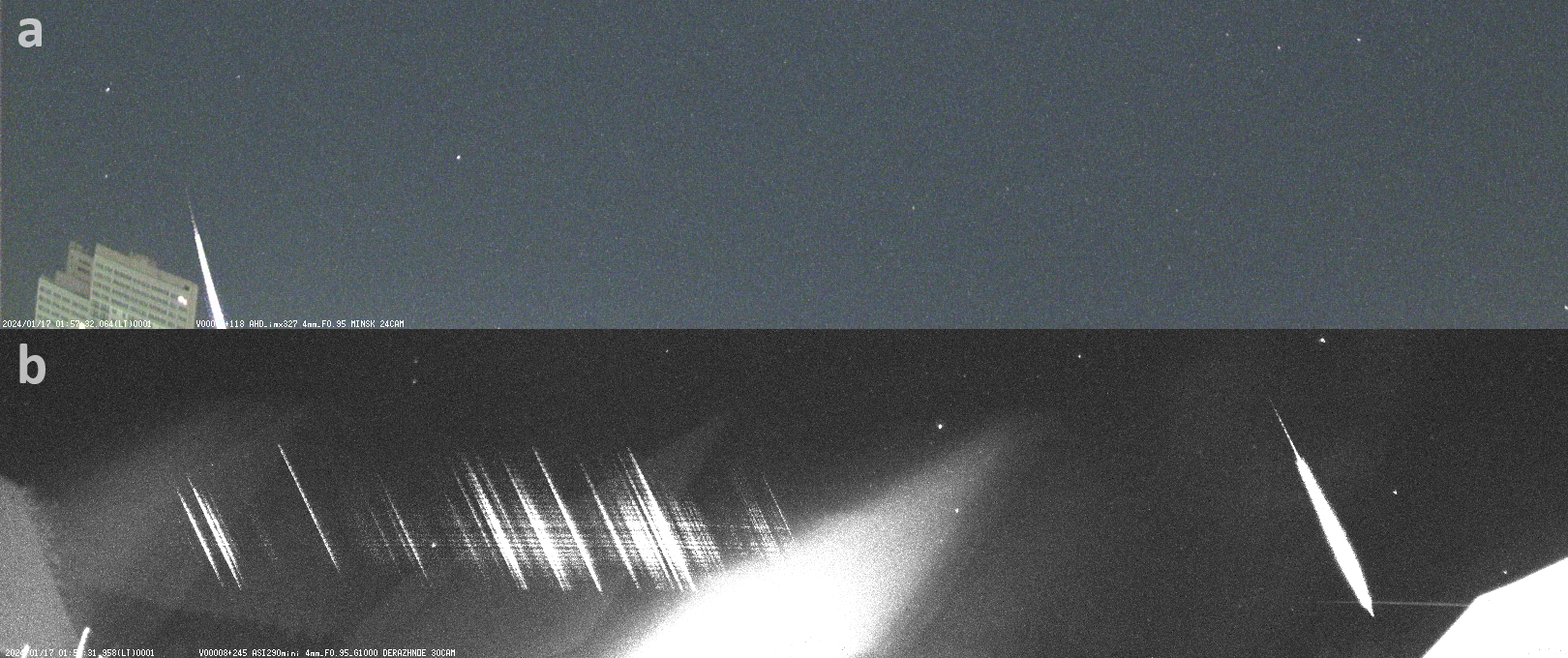
Figure 1 – Images of the meteor captured by the Minsk_24 camera (a) and the Derazhnoye_30 spectral camera (b), which shows the original image with a first-order diffraction spectrum. The spectral image also shows diffraction grating-induced stray light from a bright terrestrial object (illuminated rooftop).
Table 1 – Detailed information about the cameras that recorded the meteor
| Camera ID | Minsk_24 | Derazhnoye_30 |
| Type of camera | AHD IMX327 (color) | USB ZWO ASI 290MM mini (mono) |
| Resolution (pix) | 1920×1080 | 1936×1096 |
| FOV (°) | 88.6×49.8 | 89.6×50.7 |
| fps | 30 | 20 |
| Diffraction grating (lines/mm) | – | 1000 |
| Geographical coordinates | 53.9384 27.5925 | 53.6860 26.5162 |
This meteor had an average velocity, ignited smoothly, and faded out fairly quickly at the end of its flight. No flashes indicating fragmentation processes were observed. A faint, rapidly disappearing tail was observed in the middle part of the trajectory. Figure 2 shows individual frames from the video with an interval of 250 ms.
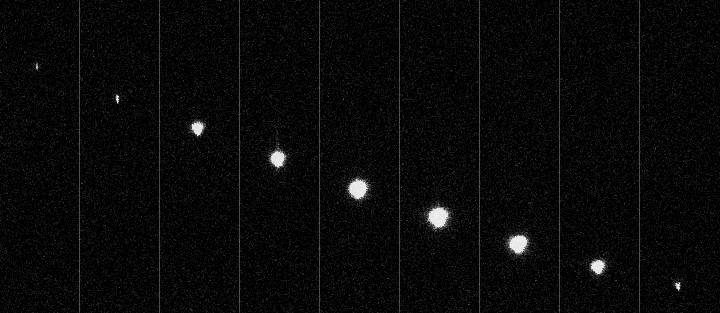
Figure 2 – Individual frames from the Derazhnoye_30 camera show the head of the meteor in motion at intervals of 250 ms.
The obtained spectrum is highly anomalous. Detailed analysis indicates that the event was produced by a rare meteoroid with significant calcium enrichment. To date, this spectrum remains unique within the database of the Belarusian Meteor Network, which comprises over 480 meteor spectra collected during approximately four years of observations.
2 Trajectory and Orbit
Video data processing and astrometric measurements were conducted using UFOAnalyzer software. The orbital elements were subsequently calculated with UFOOrbit. Both recording cameras utilize rolling shutters; therefore, to enhance the accuracy of the derived orbital parameters, a correction for the rolling shutter effect was applied during orbit calculation.
The meteor was classified as sporadic, with its radiant situated in the antihelion source region (Figure 3). The meteoroid entered the Earth’s atmosphere at an entry angle of 58°. The luminous phase initiated at an altitude of 87.6 km and terminated at 34.3 km, covering a total atmospheric path of 62.7 km over a duration of 2.26 seconds. To minimize the effects of atmospheric drag on the orbital solution, only the initial segment of the trajectory (above 54 km altitude) was used for the calculation of heliocentric orbital elements. The resulting orbital parameters are presented in Table 2.
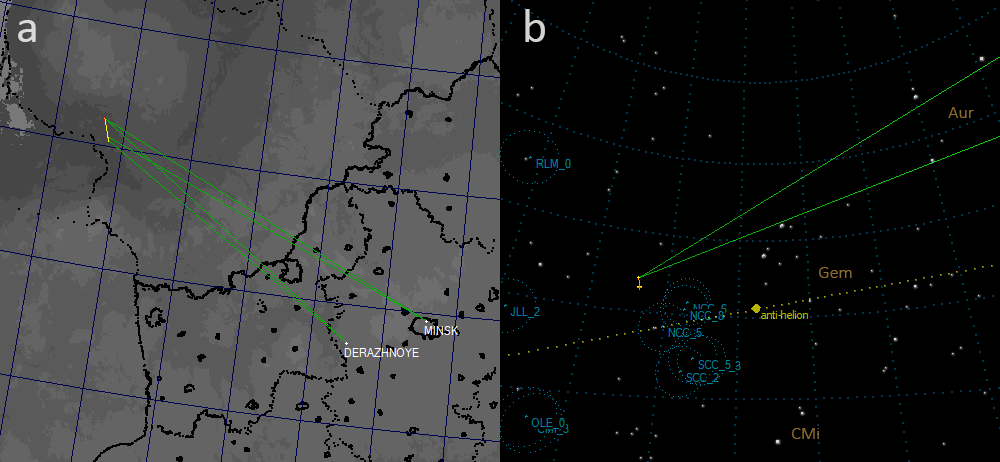
Figure 3 – Stations and meteor trajectory in projection on the Earth’s surface (a) and at the celestial sphere (b)
Table 2 – Unified radiant and orbit elements
| Apparent right ascension (°) | 134.0 ± 2.4 |
| Apparent declination (°) | 24.1 ± 1.6 |
| Pre-atmospheric velocity (km/s) | 30.7 ± 1.2 |
| Geocentric right ascension (°) | 133.7 ± 2.5 |
| Geocentric declination (°) | 23.0 ± 1.7 |
| Geocentric velocity (km/s) | 28.5 ± 1.3 |
| Semimajor axis (AU) | 1.8240 ± 0.3915 |
| Eccentricity | 0.8149 ± 0.0302 |
| Perihelion distance (AU) | 0.3376 ± 0.0327 |
| Inclination (°) | 6.4605 ± 2.2262 |
| Argument of perihelion (°) | 297.566 ± 4.880 |
| Longitude of the ascending node (°) | 295.975 |
| Tisserand’s parameter, Tj | 3.53306 ± 0.1485 |
Analysis of the derived orbital elements reveals that the meteoroid moved on a low-inclination orbit (i = 6.46°) with an aphelion situated between the orbits of Mars and Jupiter (Figure 4). A key dynamical result is the close match between the Tisserand parameter with respect to Jupiter (Tⱼ) for meteoroid sp205 (Tⱼ = 3.53306) and that of asteroid (4) Vesta (Tⱼ = 3.53394). This dynamical affinity strongly suggests a genetic link between sp205 and the Vesta family.
This conclusion is robustly supported by the spectral data. Meteorites of the HED clan (howardites, eucrites, diogenites), which are linked to Vesta (McSween et al., 2013), are characteristically enriched in calcium. Consequently, the exceptionally intense calcium emission observed in the spectrum of sp205 provides independent, compositional confirmation of its origin on Vesta and its classification within the HED meteorite clan.
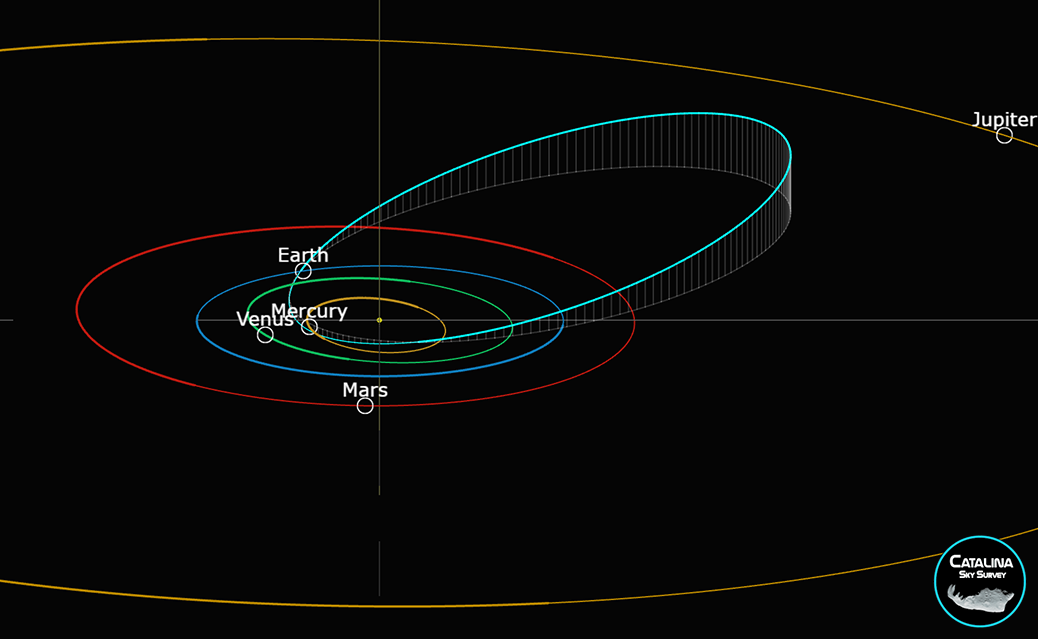
Figure 4 – The plotting of the orbits was made using the CSS Orbit View application.
3 Spectrum
Spectral Data Processing and Analysis
The spectral recording from the Derazhnoye_30 station was affected by stray light, an artifact caused by a street lamp reflecting off a snow-covered rooftop. To mitigate its impact, a background subtraction procedure was applied. Frames for the final composite spectrum were stacked using only the initial segment of the meteor’s trajectory. This segment was selected based on two criteria: the absence of pixel saturation in the spectral image and the minimal influence of the aforementioned stray light artifact.
The processed spectral image was analyzed using a non-linear calibration method. Calibration, analysis, and line identification were performed with the RSpec software, referencing atomic line data from the NIST database (Ralchenko et al., 2006).
Spectral Characteristics of sp205
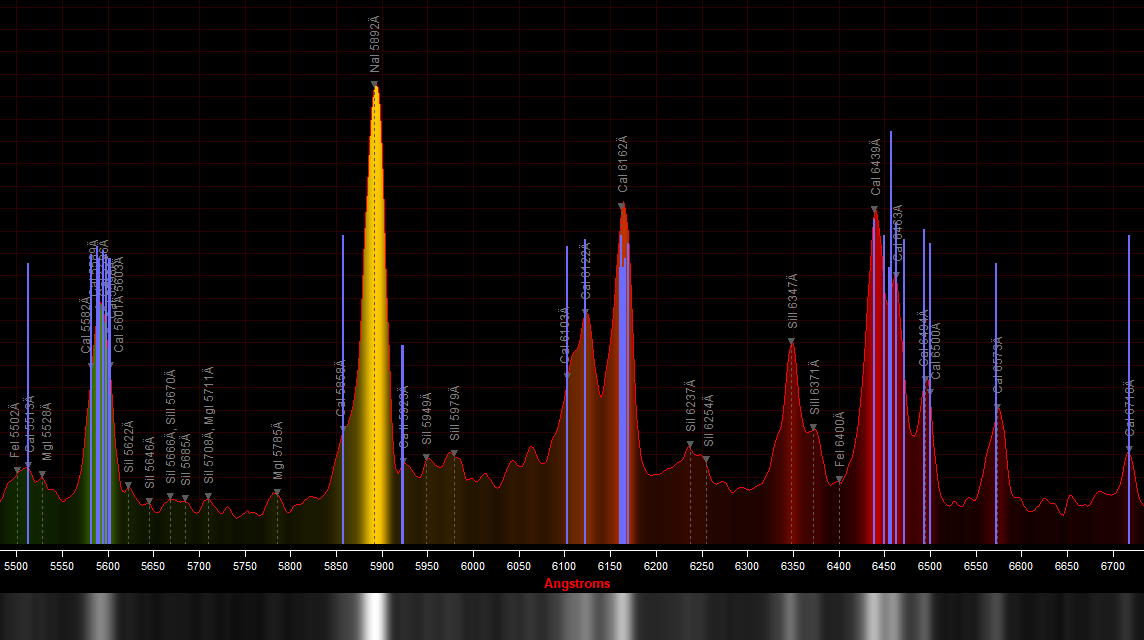
The resulting spectrum of meteoroid sp205 (Figure 5) exhibits both common meteor features and distinct anomalies. It shows standard emission lines from neutral magnesium (Mg I), iron (Fe I), and sodium (Na I), though their relative intensities are notably subdued (as quantified in the following section). The most prominent feature is the exceptionally intense emission from neutral calcium (Ca I).
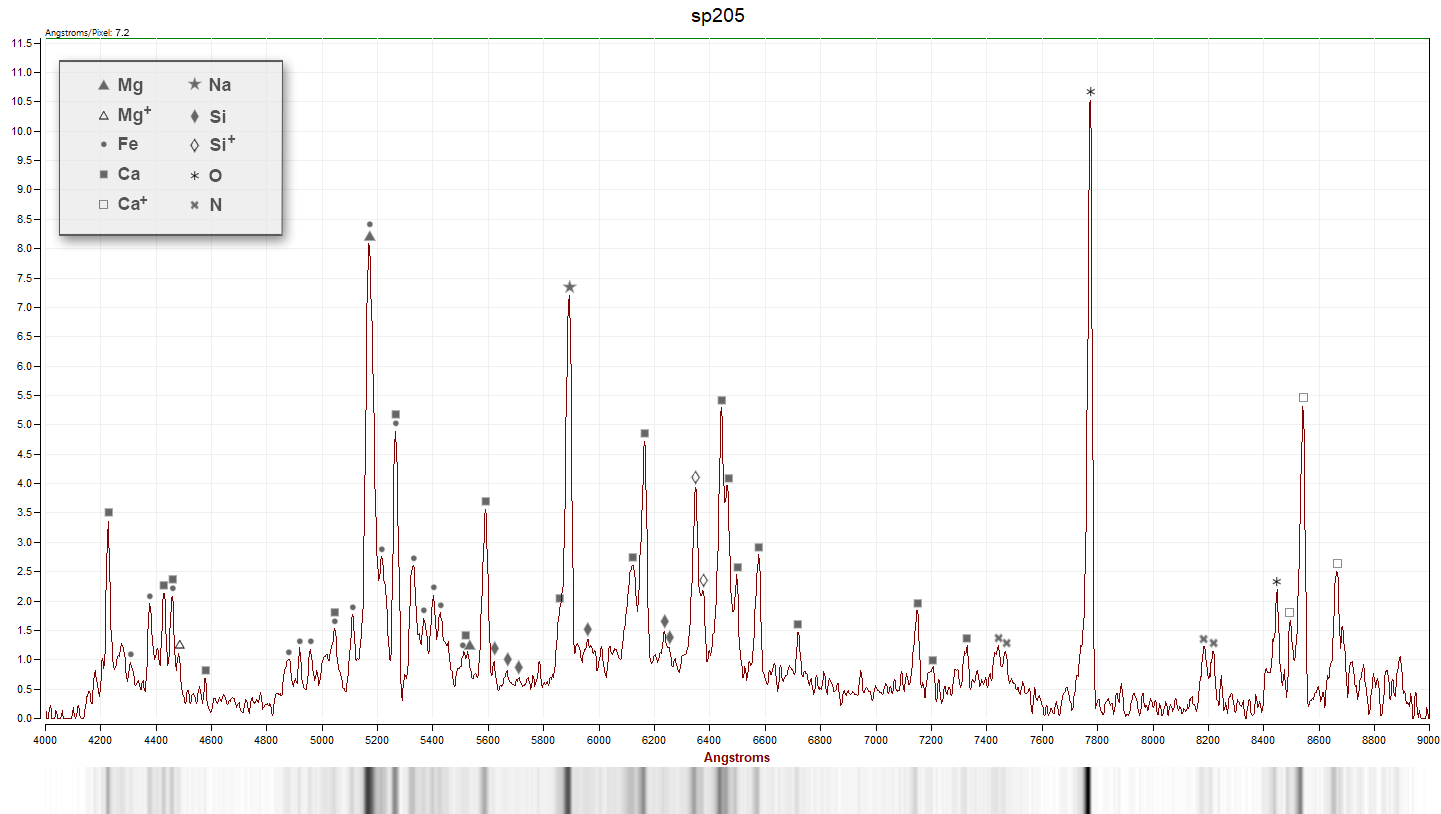
Figure 5 – Calibrated spectral profile of meteoroid sp205 (Derazhnoye_30 station, 16 January 2024). The first-order diffraction spectrum, covering 4000–9000 Å, has been corrected for the instrumental response. Identified emission lines are marked with their corresponding atomic species.
Prominent spectral features of meteoroid sp205
The most intense calcium emissions are manifested in the following spectral regions:
-
The blue region: a distinct line at 4227 Å (Ca I, multiplet 2).
-
The yellow-green region (~5590 Å): a bright peak in the 5590 Å region (Ca I – 21), consisting of a series of not resolved Ca I lines.
- The red region (6100–6600 Å): a group of intense peaks (Ca I, multiplets 3, 18, 19, 20).
-
The near-infrared region: prominent lines of ionized calcium (Ca II) at 8498 Å, 8542 Å, and 8662 Å.
Additionally, the spectrum exhibits unusually intense lines of ionized silicon (Si II) at 6347 Å and 6371 Å. These lines are typically pronounced only in high-velocity meteors (V > 50 km/s), making their distinct presence in sp205 (V ~ 30 km/s) highly anomalous.
Calcium is a refractory element that rarely produces bright emissions in the visible meteor plasma spectrum. At low spectral resolution, its weak lines often blend with other features. The high-temperature Ca II H and K lines in the near-UV (3934, 3968 Å) were not recorded due to the camera’s low sensitivity below 4000 Å. Notably, calcium emission was absent even in recent laboratory simulations of meteorite ablation (Matlovič et al., 2024), underscoring the challenge of its detection in meteor spectra.
Therefore, the exceptional intensity of both neutral and ionized calcium lines in the spectrum of sp205 unambiguously indicates an anomalously high calcium abundance in the meteoroid’s composition. This specific geochemical signature is a definitive characteristic of meteorites from the HED clan (howardites, eucrites, diogenites).
4 Method for Subgroup Classification within the HED Clan
To approximately classify the meteoroid within the HED clan (eucrite, howardite, diogenite), a comparative spectral analysis method was employed. The method is based on comparing two ratios:
-
The observed intensity ratio of calcium lines in the sp205 spectrum to that in a reference spectrum of chondritic composition.
-
The known ratio of calcium weight fractions in HED meteorites to that in ordinary chondrites, as measured in laboratory samples.
This comparative approach assumes that the relative spectral line intensity of a major element correlates with its relative abundance in the parent body.
Reference Spectrum Selection
The spectrum of meteor sp037 (STA, #00002), recorded on 2 November 2022 during the Southern Taurid shower, was used as the chondritic reference. This choice was based on two key criteria:
-
Compositional Typicality: Southern Taurid meteors are spectroscopically classified as “normal type,” corresponding to a typical chondritic composition.
-
Comparable Observational Parameters: Meteor sp037 had a similar peak magnitude (~ -3ᵐ) and initial velocity (V₀ = 30.0 km/s) to the studied meteor sp205 (V₀ = 30.7 km/s). Similar velocities help minimize biases related to the excitation conditions of the meteor plasma.
Both spectra are presented for comparison in Figure 6.
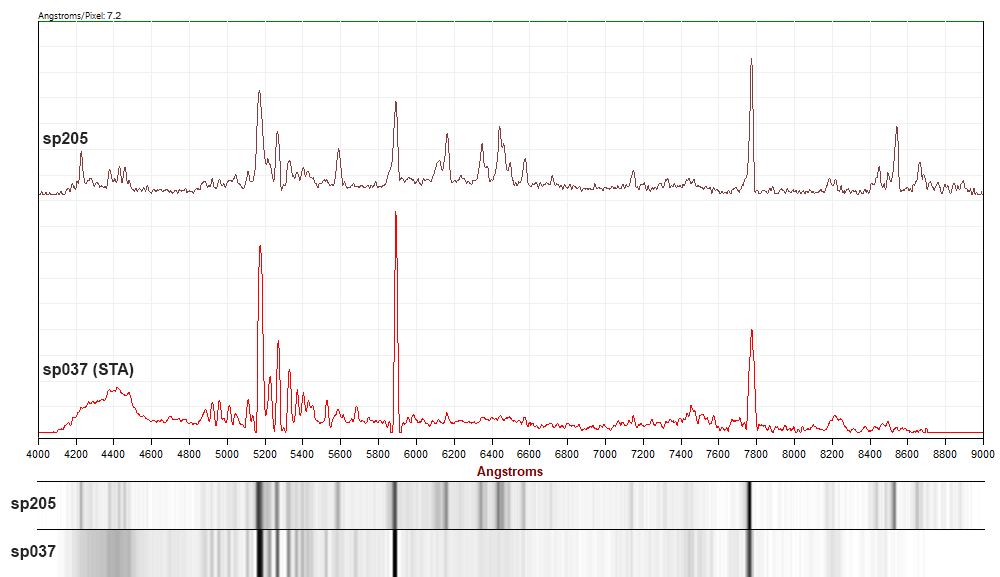
Figure 6 – Comparison of spectra of sp205 and sp037 (STA) in the range 4000–9000 Å. Displayed spectral profiles were corrected for the spectral sensitivity of the camera.
Methodological Assumptions and Their Justification
The comparative analysis rests on two fundamental simplifications:
-
Spectrum Normalization via the Oxygen Line: The intensity of the neutral oxygen triplet (O I 7774 Å) is primarily a function of meteor velocity (Vojáček et al., 2022). For two meteors with similar velocities and magnitudes, the O I 7774 Å intensities can be considered equivalent. This line was therefore used as an internal standard to normalize the intensity scales of both spectra.
-
Linear Abundance-Intensity Relationship: It is assumed that the intensity of a spectral line is directly proportional to the abundance of its parent element in the meteoroid. This is valid for an optically thin plasma, where self-absorption is negligible. Meteor plasma is typically treated as optically thin, allowing radiation to escape freely.
These assumptions enable a direct comparison between the observed calcium line ratio (sp205 / sp037) and the known calcium abundance ratio (HED meteorites / ordinary chondrites) from laboratory data.
Limitations and Caveats
These assumptions are significant simplifications. The intensity of the O I 7774 Å line can be influenced by additional factors, including the meteoroid’s bulk composition, density, and the atmospheric parameters at the ablation altitude. Furthermore, even spectra classified as “normal type” (like the Southern Taurid reference) exhibit natural variability in the Mg-Fe-Na ratios, which could introduce noise into the comparison.
Despite these limitations, the method provides a robust first-order approximation. For the purpose of an initial classification of meteoroid sp205 within the HED clan subgroups, the comparative analysis is justified and offers a meaningful assessment of its likely composition.
5 Comparative Compositional Analysis
Chemical Composition Data
Data on the bulk chemical composition of ordinary chondrites and HED meteorites were taken from the literature ([1] D’iakonova et al., 1979; [2] Matlovič et al., 2024). These data, presented in Table 3, were used to calculate the ratio of element weight percentages (wt%) in HED meteorites relative to their chondritic abundances.
Table 3 – Bulk composition of elements in chondrites and HED clan meteorites, wt%
| Meteorite | Type | Ca (wt%) | Mg (wt%) | Na (wt%) | Fe (wt%) | Source |
| Chondrite (avg) | LL, L, H | 1.30 | 14.49 | 0.65 | 23.75 | [1] |
| Stannern | Eucrite | 7.61 | 4.21 | 0.43 | 13.93 | [2] |
| Pomozdino | Eucrite | 7.64 | 5.98 | 0.30 | 11.4 | [1] |
| — | Eucrite (averaged) | 7.625 | 5.095 | 0.365 | 12.665 | — |
| Sariçiçek | Howardite | 5.34 | 9.94 | 0.255 | 14.4 | [2] |
| Brient | Howardite | 6.13 | 6.76 | 0.18 | 13.28 | [1] |
| Erevan | Howardite | 4.86 | 10.18 | 0.2 | 12.08 | [1] |
| — | Howardite (averaged) | 5.44 | 8.96 | 0.212 | 13.253 | — |
| Bilanga | Diogenite | 0.5 | 18.0 | 0.009 | 12.2 | [2] |
Spectral Processing and Intensity Measurement
The spectra of sp205 and the reference meteor sp037 were corrected for instrumental response and normalized to the intensity of the O I 7774 Å line, which was set to 100 relative intensity units. Following normalization, the integrated intensities of the Ca I, Mg I (multiplet 2), Na I (multiplet 1), and Fe I (multiplet 15) lines were measured in both spectra by calculating the area under each peak above the local continuum. For consistency, only Ca I lines unambiguously present in both spectra were selected for analysis. The results of these measurements are presented in Table 4.
Table 4 – Measured peak intensities in the sp205 and sp037 (STA) spectra in relative units. The intensity of the O I 7774 Å line is taken as 100.
| Element | Peak, Å | Lines, Å | Multiplets | Intensity (sp205) | Intensity (sp037) |
| Ca I | 4227 | 4227 | 2 | 16.1 | 1.3 |
| Ca I | 4429 | 4425, 4435 | 4 | 8.6 | 1.5 |
| Mg I | 5174 | 5167, 5173, 5184 | 2 | 104.8 | 184.5 |
| Fe I | 5269-5449 | 5269, 5328, 5371, 5404, 5431, 5449 | 15 | 138.4 | 202.0 |
| Ca I | 5589 | 5582, 5589, 5590, 5595, 5599, 5601, 5603 | 21 | 33.3 | 5.1 |
| Na I | 5892 | 5890, 5896 | 1 | 69.4 | 134.8 |
| Ca I | 6122 | 6103, 6122 | 3 | 26.9 | 2.9 |
| Ca I | 6164 | 6161, 6162, 6164, 6166, 6169, 6170 | 3, 20 | 42.7 | 8.2 |
| Ca I | 6439-6472 | 6439,6450, 6456, 6463, 6472 | 18, 19 | 69.5 | 2.8 |
| Ca I | 6496 | 6494, 6500 | 18 | 11.4 | 1.8 |
| Ca I | 6573 | 6573 | 1 | 20.0 | 5.9 |
| Ca I | 7148 | 7148 | 30 | 13.0 | 8.6 |
| O I | 7774 | 7772, 7774, 7775 | 1 | 100 | 100 |
| Ca I (total) | — | — | — | 241.5 | 38.1 |
Results of the Comparative Method
The ratios of the measured line intensities (sp205 / sp037) for calcium, sodium, and magnesium are plotted in Figure 7 alongside the corresponding ratios of their bulk abundances (HED / chondrite) from laboratory data. Iron was excluded from this comparison, as its abundance is similar across HED materials (Table 3). While calcium is the primary element of interest, sodium and magnesium were included to validate the methodological assumptions; agreement between spectral and bulk ratios for these elements would support the reliability of the approach for calcium.
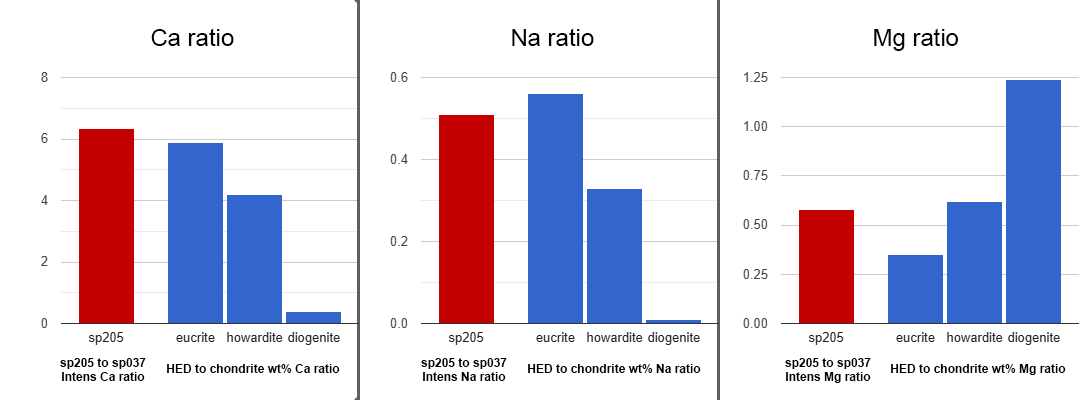
Figure 7 – The ratios of calcium, sodium, and magnesium line intensities in the sp205 spectrum under study relative to the sp037 control spectrum (STA) are highlighted in red, and the ratios of the weight fractions of these elements in HED clan meteorites relative to chondrites are highlighted in blue.
Subgroup Classification of sp205
The comparative analysis yields the following classification based on individual elements:
-
Calcium: The intensity ratio indicates a calcium abundance ~6 times higher than in the chondritic reference. This value aligns sp205 with the eucrite subgroup within the HED clan.
-
Sodium: The observed depletion (factor of ~2) relative to chondrites also supports a eucrite classification.
-
Magnesium: The magnesium intensity ratio suggests a depletion factor of ~2, which is more characteristic of howardites rather than eucrites. This result is inconsistent with the classifications based on calcium and sodium.
Interpretation and Final Assessment
The discrepancy observed for magnesium likely stems from the methodological limitations outlined earlier (e.g., sensitivity to atmospheric conditions, natural variability in reference spectra) or could be attributed to technical artifacts such as local saturation of the bright Mg I lines in the spectra. Despite this single inconsistency, the primary and most robust diagnostic — the exceptionally high calcium signature — provides compelling evidence.
Therefore, based on the dominant spectral evidence and its agreement with the sodium trend, we classify meteoroid sp205 as a likely eucrite.
6 Conclusion
The meteoroid sp205, observed on 16 January 2024, exhibits a unique spectrum dominated by exceptionally intense calcium emission, unprecedented in the multi-year database of the Belarusian Meteor Network.
Its calculated Tisserand parameter with respect to Jupiter (Tⱼ = 3.53306) dynamically links it to the (4) Vesta asteroid family. Comparative spectroscopic analysis confirms its compositional affiliation with the HED (howardite-eucrite-diogenite) clan of meteorites. The diagnostic calcium enrichment, supported by sodium depletion, allows its classification most specifically as a eucrite.
This event demonstrates the value of precise meteor spectroscopy coupled with orbital analysis for identifying the asteroidal sources of individual meteoroids and for detecting rare compositional types within the Solar System’s minor body population.
Acknowledgment
The author thanks all operators and volunteers of the Belarusian Meteor Network for their dedicated work in maintaining the observations. The author also thanks Paul Roggemans for his helpful support in drafting this article.
References
McSween, H.Y., Jr., Binzel, R.P., De Sanctis, M.C., Ammannito, E., Prettyman, T.H., Beck, A.W., Reddy, V., Le Corre, L., Gaffey, M.J., McCord, T.B., Raymond, C.A., Russell, C.T. and the Dawn Science Team (2013), Dawn; the Vesta–HED connection; and the geologic context for eucrites, diogenites, and howardites. Meteorit Planet Sci, 48: 2090-2104.
Ralchenko, Y., Jou, F., Kelleher, D., Kramida, A., Musgrove, A., Reader, J., Wiese, W., and Olsen, K. (2006), NIST Atomic Spectra Database (version 3.1.0). http://physics.nist.gov/asd3 (Accessed October 27, 2025).
D’iakonova, M. I., V. Ia. Kharitonova, and A. A. Iavnel’. 1979. Khimicheskii sostav meteoritov [Chemical composition of meteorites]. Moscow: Nauka.
V. Vojáček, J. Borovička and P. Spurný, Oxygen line in fireball spectra and its application to satellite observations, A&A 668, A102 (2022)
Pavol Matlovič, Adriana Pisarčíková, Veronika Pazderová, Stefan Loehle, Juraj Tóth, Ludovic Ferrière, Peter Čermák, David Leiser, Jérémie Vaubaillon and Ranjith Ravichandran, Spectral properties of ablating meteorite samples for improved meteoroid composition diagnostics, A&A, 689, A323 (2024)
CSS Orbit View, https://neofixer.arizona.edu/css-orbit-view
SonotaCo, www.sonotaco.com