Abstract: An overview of the radio observations during January 2026 is given.
The graphs show both the daily totals (Figure 1) and the hourly numbers (Figure 2) of “all” reflections counted automatically, and of manually counted “overdense” reflections, overdense reflections longer than 10 seconds and longer than 1 minute, as observed here at Kampenhout (BE) on the frequency of our VVS-beacon (49.99 MHz) during the month of January 2026.
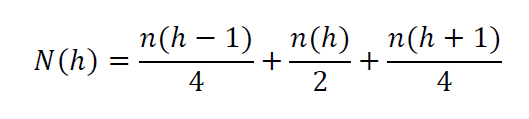
The hourly numbers, for echoes shorter than 1 minute, are weighted averages derived from:
Local interference and unidentified noise remained weak, and no significant lightning activity was recorded.
The highlights of the month were, of course, the Quadrantids, which reached their peak intensity here on January 4th between 04h00m and 05h00m UT, though they were also very active on January 3rd. After the maximum, Quadrantid activity declined rapidly, but remained clearly noticeable for several days. Attached are some SpecLab images that provide an indication of the shower’s intensity. (Figure 3).
Several smaller showers were active during the month, in particular around January 18–20, but the rest of the month was, as usual, fairly quiet.
This month, 5 reflections longer than 1 minute were observed here. A selection of some notable or strong reflections is shown in Figures 4 to 13. Many more are available upon request.
In addition to the usual graphs, you will also find the raw counts (subject to strict reservations as previously said) in cvs-format from which the graphs are derived. The table contains the following columns: day of the month, hour of the day, day + decimals, solar longitude (epoch J2000), counts of “all” reflections, overdense reflections, reflections longer than 10 seconds and reflections longer than 1 minute, the numbers being the observed reflections of the past hour.
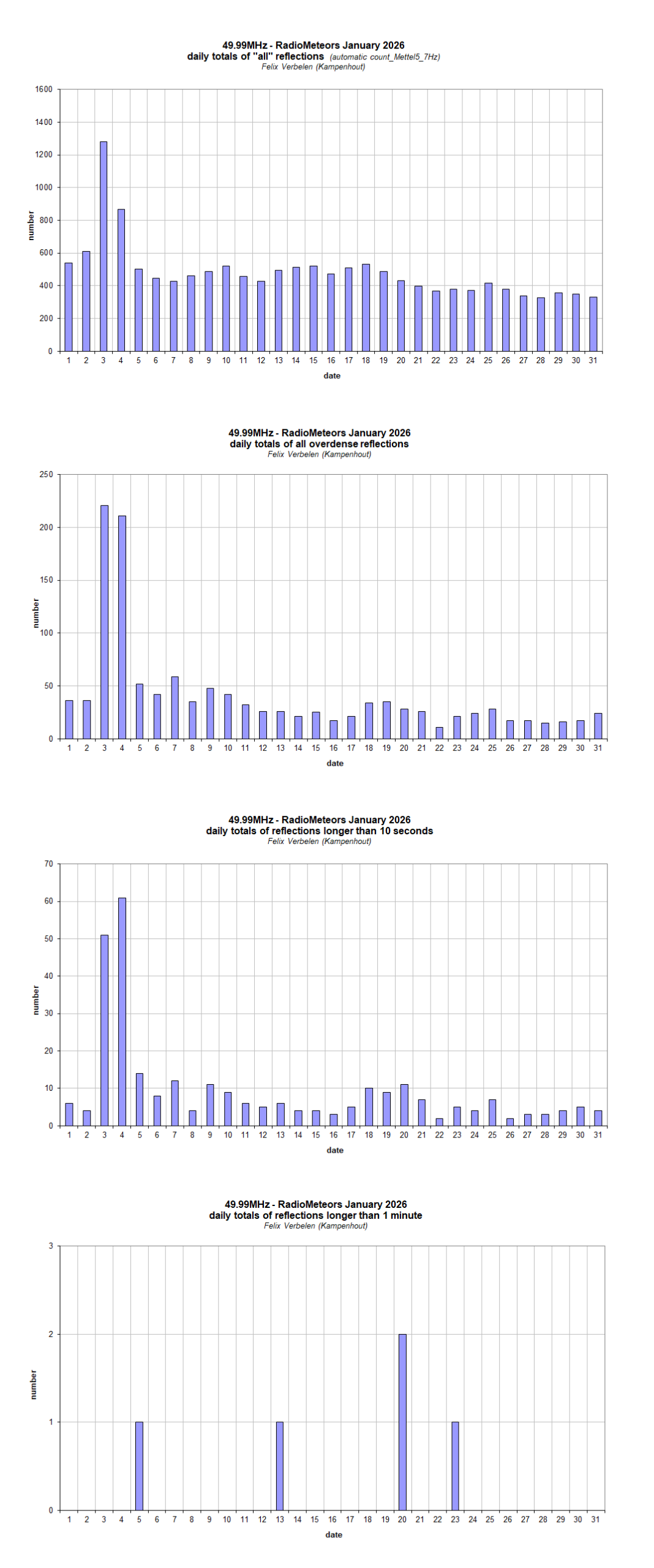
Figure 1 – The daily totals of “all” reflections counted automatically, and of manually counted “overdense” reflections, as observed here at Kampenhout (BE) on the frequency of our VVS-beacon (49.99 MHz) during January 2026.
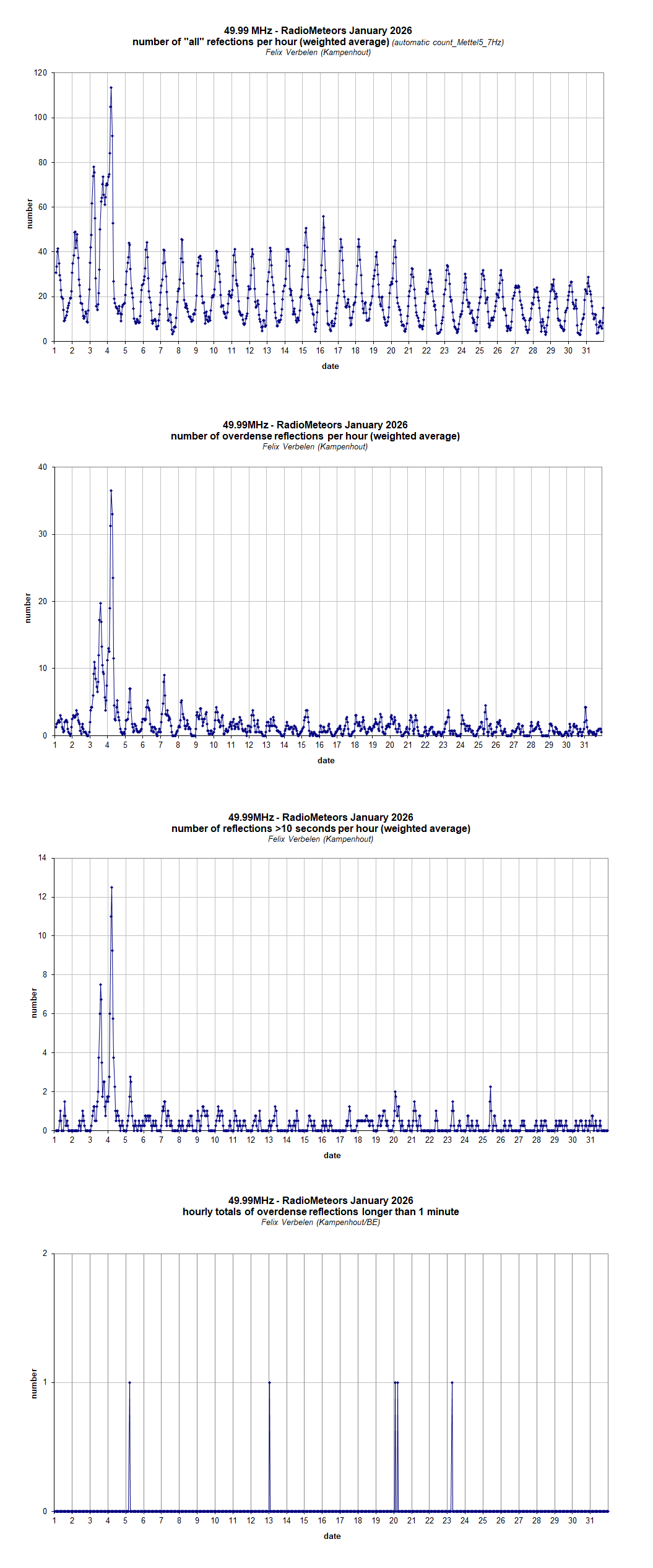
Figure 2 – The hourly numbers of “all” reflections counted automatically, and of manually counted “overdense” reflections, overdense reflections longer than 10 seconds and longer than 1 minute, as observed here at Kampenhout (BE) on the frequency of our VVS-beacon (49.99 MHz) during January 2026.
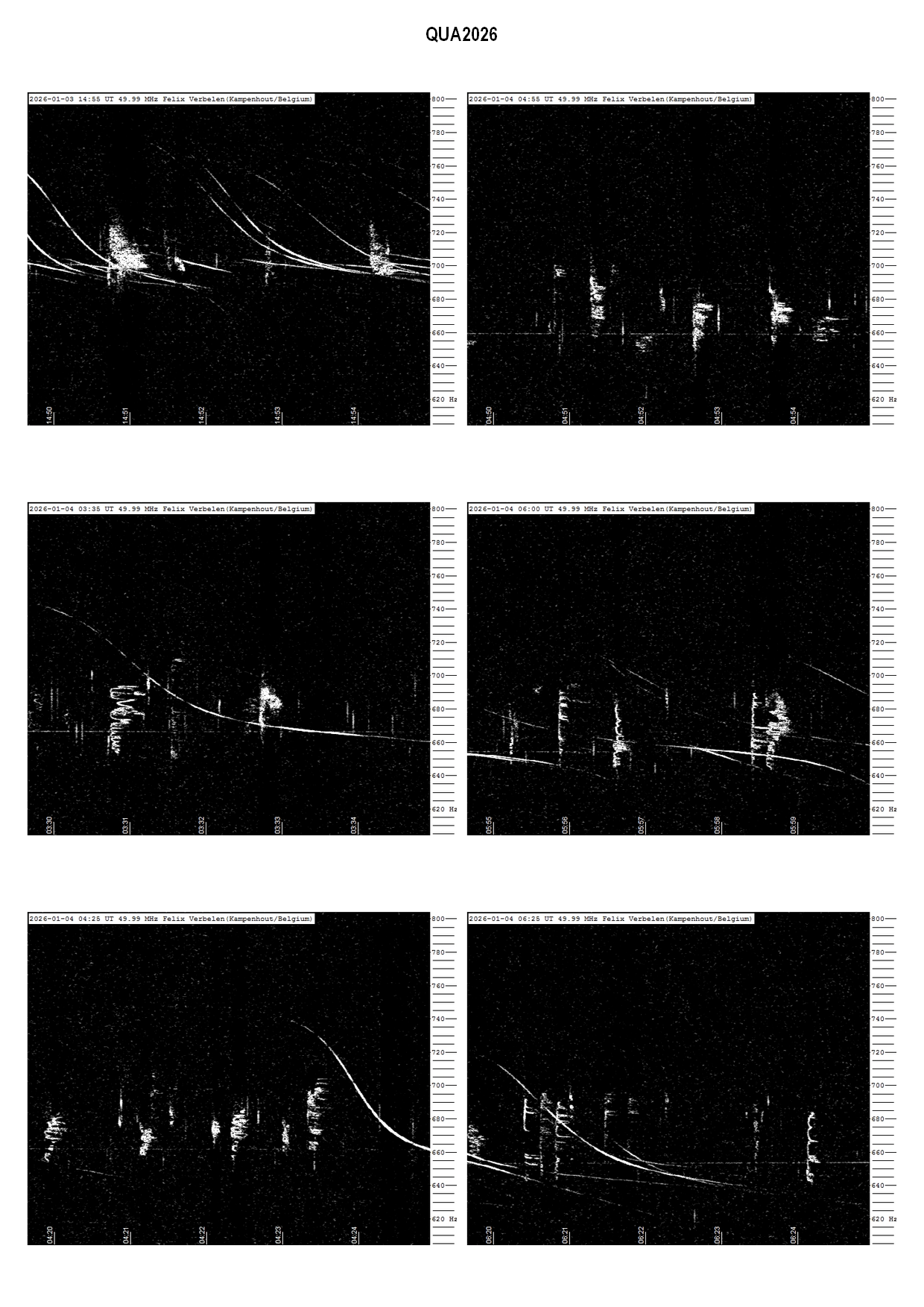
Figure 3 – Selection of meteor radio echoes during the Quadrantids 2026.
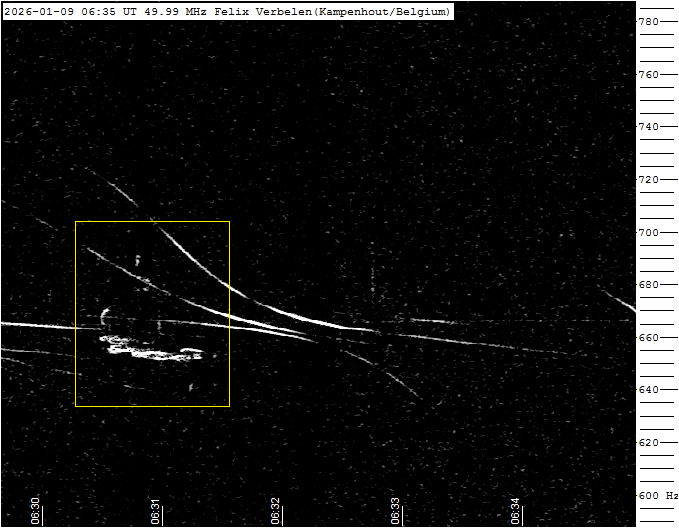
Figure 4 – Meteor echo January 09, 06h35m UT.
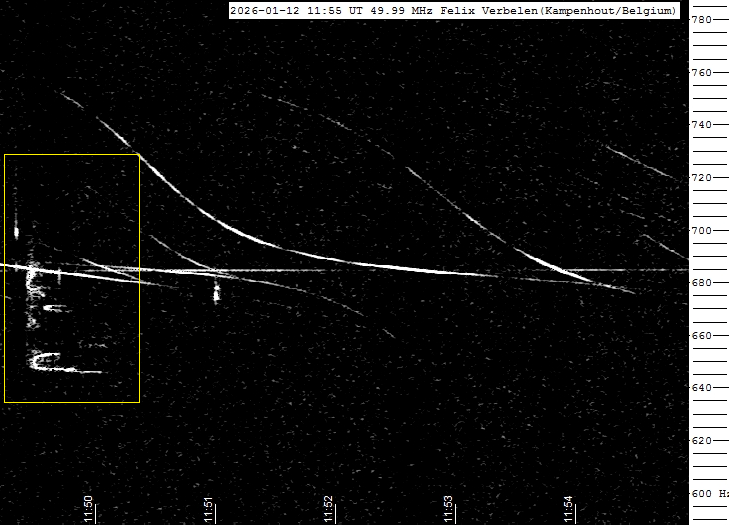
Figure 5 – Meteor echo January 12, 11h55m UT.
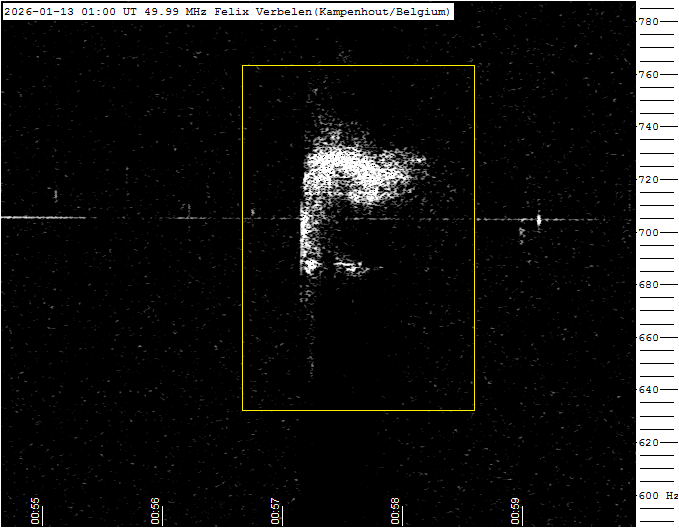
Figure 6 – Meteor echo January 13, 01h00m UT.
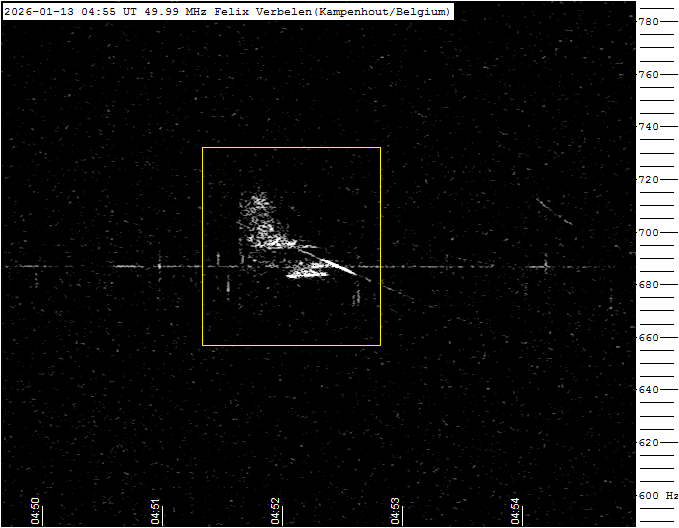
Figure 7 – Meteor echo January 13, 04h55m UT.
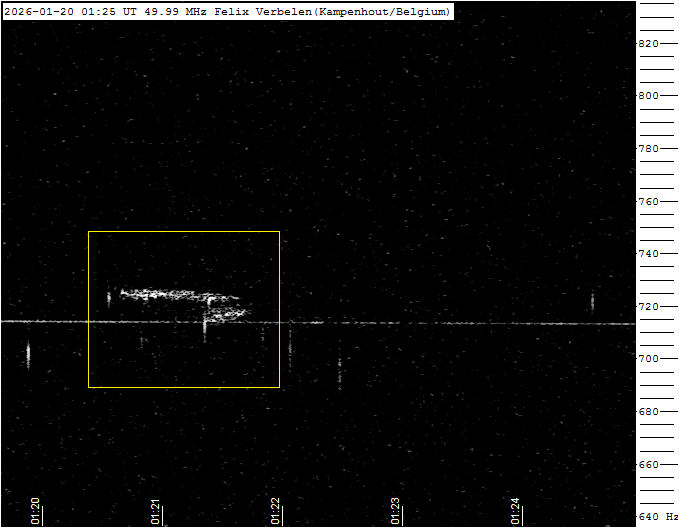
Figure 8 – Meteor echo January 20, 01h25m UT.
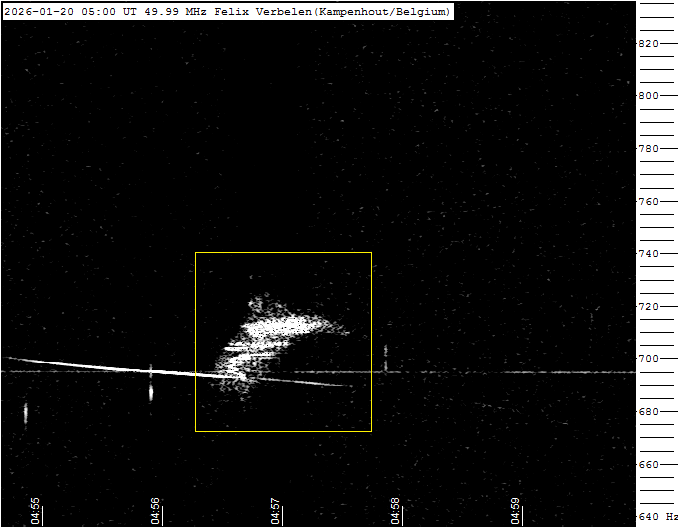
Figure 9 – Meteor echo January 20, 05h00m UT.
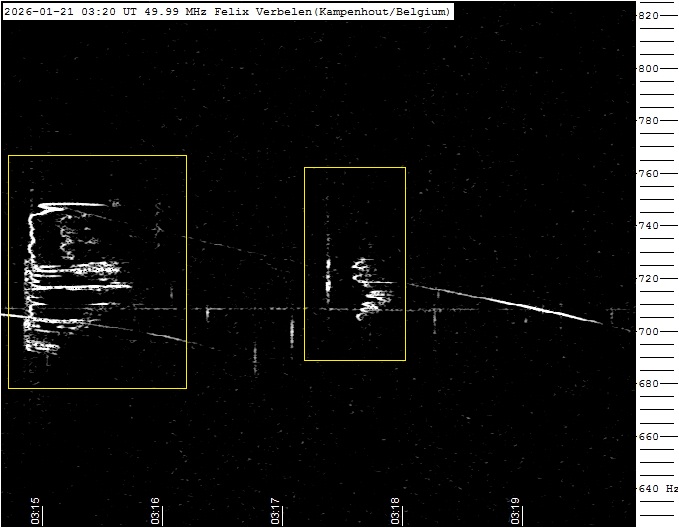
Figure 10 – Meteor echo January 21, 03h20m UT.
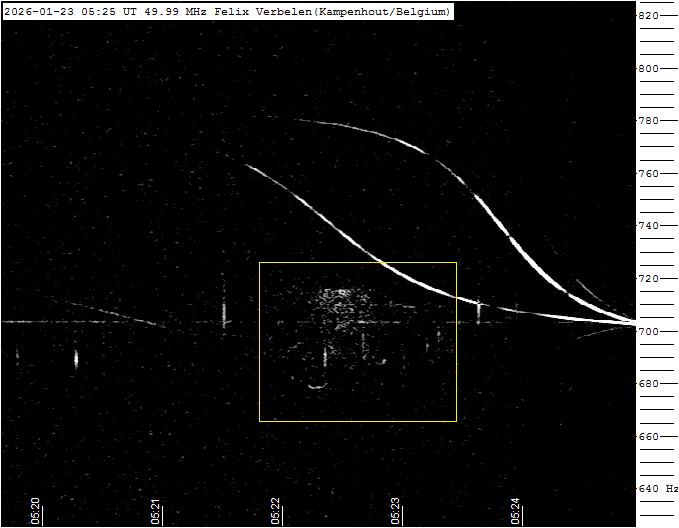
Figure 11 – Meteor echo January 23, 05h25m UT.
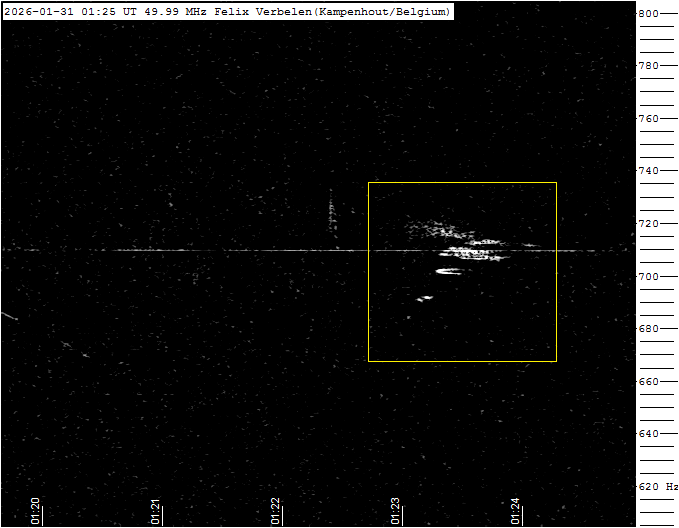
Figure 12 – Meteor echo January 31, 01h25m UT.
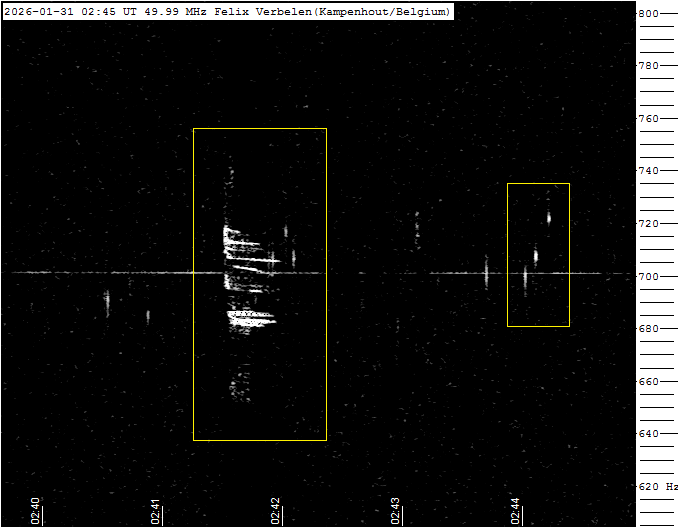
Figure 13 – Meteor echo January 21, 02h45m UT.